


What Evidence Strengthens a Car Accident Injury Claim?

Written by Matthew Weidinger
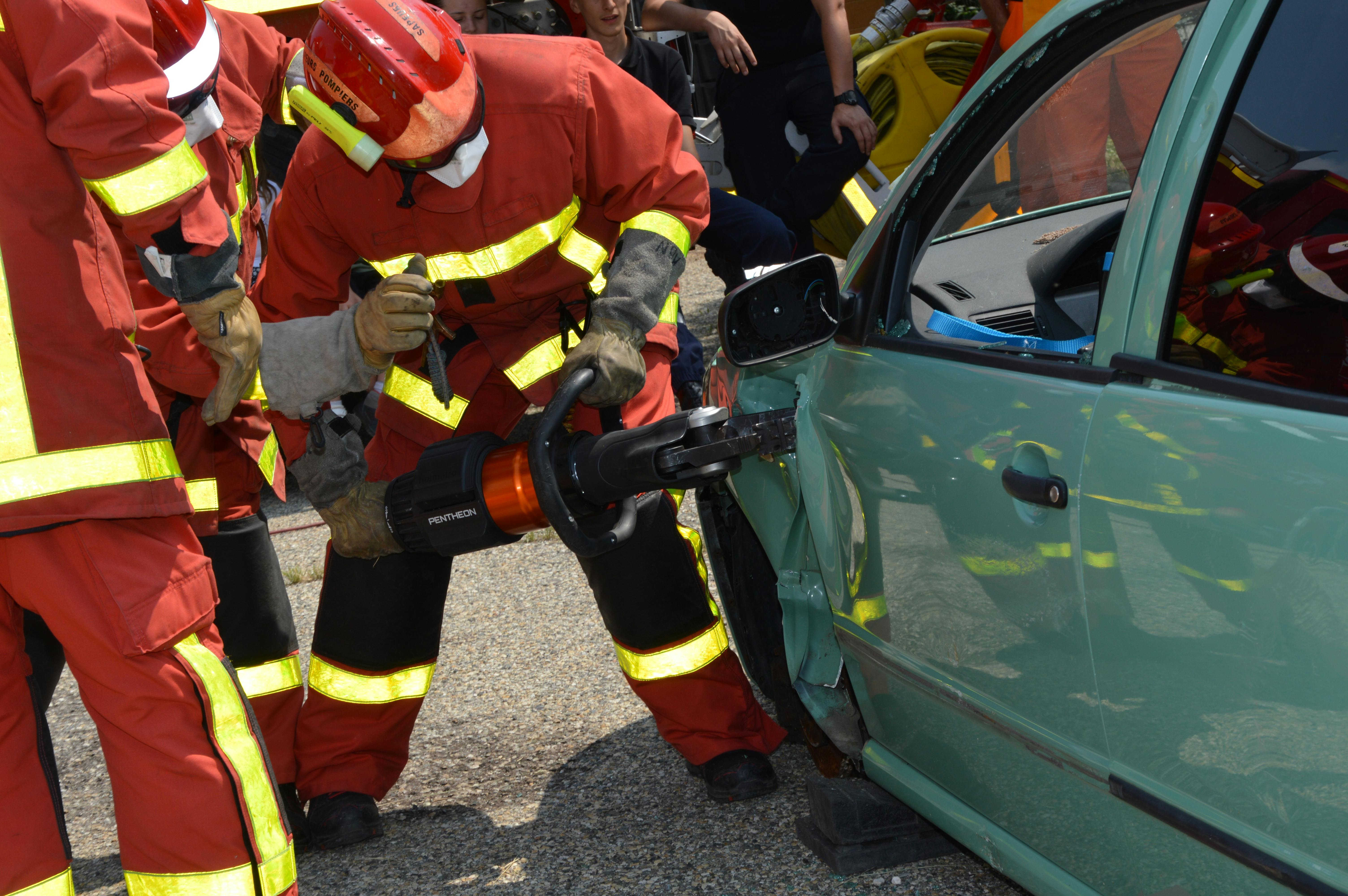
Recovering from a car accident in Colorado can be overwhelming, especially when you need to pursue compensation for your injuries. Whether you’re dealing with medical bills, lost wages, or pain and suffering, the strength of your car accident injury claim often depends on the quality of the evidence you provide. At Smith & Weidinger, P.L.L.C., we guide car accident victims through the process of building a compelling case. Understanding what evidence for a car accident injury claim is most effective in Colorado can make all the difference in achieving a favorable outcome.
Why Evidence Matters in Colorado Car Accident Claims
Insurance adjusters and Colorado courts rely heavily on evidence to determine fault and the extent of injuries. The burden of proof rests on the accident victim, meaning your claim is only as strong as the evidence you present. Under Colorado’s modified comparative negligence law (C.R.S. § 13-21-111), the compensation you receive can be reduced if you’re found partially at fault. Solid evidence helps minimize disputes over liability and maximizes your potential recovery.
Types of Evidence that Strengthen Your Car Accident Injury Claim
Effective evidence for a car accident injury claim in Colorado includes both documentation and witness accounts that clearly establish what happened and the impact of your injuries. Here are the most critical forms of evidence:
1. Police Accident Reports
After any car accident in Colorado, it’s essential to call law enforcement to the scene. The responding officer’s accident report provides an objective summary of events, notes of any violations of Colorado traffic laws, and may include preliminary fault determinations. These reports are highly valued by insurance companies and courts alike.
2. Photographs and Video Evidence
Visual evidence can be persuasive in illustrating the severity of the crash and resulting injuries. Take clear photos and videos of:
- Vehicle damage (all angles)
- Visible injuries
- Skid marks, debris, and road conditions
- Traffic signals and signage near the scene
Dashcam or surveillance footage from nearby businesses or homes in Denver, Boulder, or other Colorado cities can also provide crucial documentation of the accident sequence.
3. Medical Records and Documentation
Prompt medical attention not only protects your health but also creates a paper trail connecting your injuries directly to the accident. Collect all medical records, treatment plans, bills, and ongoing therapy notes. In Colorado, medical documentation is vital for substantiating claims related to both economic and non-economic damages.
4. Witness Statements
Independent witnesses can help resolve disputes about how the accident happened. Gather names, contact details, and statements from anyone who saw the crash or its aftermath. Witness accounts are especially useful if liability is contested.
5. Expert Testimony
In complex cases, expert testimony from accident reconstruction specialists, medical professionals, or vocational experts can help clarify technical issues. For example, an accident reconstructionist can explain how the collision occurred based on vehicle damage and road conditions, while a medical expert can verify the extent and cause of your injuries.
6. Proof of Lost Wages and Other Expenses
If your injuries prevent you from working, gather documentation such as pay stubs, employer statements, and tax records to quantify your lost income. Receipts for rental cars, property damage, and additional out-of-pocket expenses also bolster your claim.
7. Personal Injury Journal
Keeping a daily journal documenting your pain levels, emotional distress, and how injuries affect your daily activities is powerful evidence for a car accident injury claim. In Colorado, this personal account can help support claims for pain and suffering, which are recognized under state law.
How Colorado Law Impacts Evidence Requirements
Colorado law has specific requirements for reporting car accidents and pursuing injury claims. For example, accidents resulting in injury, death, or property damage must be reported to law enforcement immediately (C.R.S. § 42-4-1606). Additionally, Colorado’s statute of limitations generally gives car accident victims three years from the date of the crash to file a personal injury lawsuit (C.R.S. § 13-80-101).
If you were injured in a crash anywhere from Denver to Colorado Springs, the sooner you begin gathering evidence, the stronger your case will be. Delays can result in lost evidence, fading memories, and difficulties proving the extent of your injuries.
Common Mistakes to Avoid When Collecting Evidence
To give your car accident injury claim the best chance of success, avoid these common pitfalls:
- Failing to seek immediate medical attention: Gaps in treatment can allow insurers to argue your injuries aren’t accident-related.
- Not preserving evidence: Photos, video, and physical evidence can be lost or destroyed if not promptly secured.
- Speaking to insurance adjusters without legal counsel: Insurance companies may use your statements against you. Always consult a Colorado personal injury lawyer before providing recorded statements.
Why Working with a Colorado Personal Injury Lawyer Matters
Gathering and presenting the right evidence for a car accident injury claim is a nuanced process. At Smith & Weidinger, P.L.L.C., our Colorado-based personal injury attorneys know exactly what insurers and courts are looking for. We help clients collect, preserve, and present the strongest possible evidence, whether negotiating with insurance companies or litigating in Colorado courts.
For more information about car accident safety and injury prevention, you might find resources from the National Highway Traffic Safety Administration and the Centers for Disease Control and Prevention helpful as you navigate your recovery and legal options.
Protect Your Rights with Strong Evidence
Building a successful car accident injury claim in Colorado comes down to gathering and presenting the right evidence. From police reports and medical records to eyewitness accounts and expert testimony, every piece of evidence you collect helps strengthen your case and increase your chances of fair compensation. If you or a loved one has been injured in a car accident anywhere in Colorado, don’t leave your recovery to chance—let the experienced team at Smith & Weidinger, P.L.L.C. help you every step of the way.Ready to discuss your car accident injury claim with a knowledgeable Colorado attorney? Call 720-996-2600 or contact us online today for a free, no-obligation consultation. Start building a stronger case now!
Note: The information provided in this blog post has been compiled from publicly available and secondary sources. While we strive for accuracy, some details may become outdated or contain inadvertent errors. If you believe any information is incorrect or requires updating, please contact Smith & Weidinger so that we may review and make the appropriate corrections.
Disclaimer: This blog post is for informational purposes only and is not intended as a solicitation for business. The photo used is not from the scene of the incident described. Viewing this content does not create an attorney-client relationship with Smith & Weidinger. If you have been injured in an accident, please seek immediate medical attention and then consult with a qualified attorney to discuss your legal rights and options.
Related Posts

How Much to Ask For In a Personal...
If you’ve been injured in an accident due to someone else’s negligence, you are probably...

How to File a Police Report After an...
Filing a police report after an accident can be an overwhelming experience, but it doesn't...
Why Hire a Motorcycle Accident Attorney After a...
Getting legal help fast protects your claim. Insurers move quickly after a crash. Evidence can...