


How Lane Splitting Affects Liability in Motorcycle Crashes

Written by Matthew Weidinger
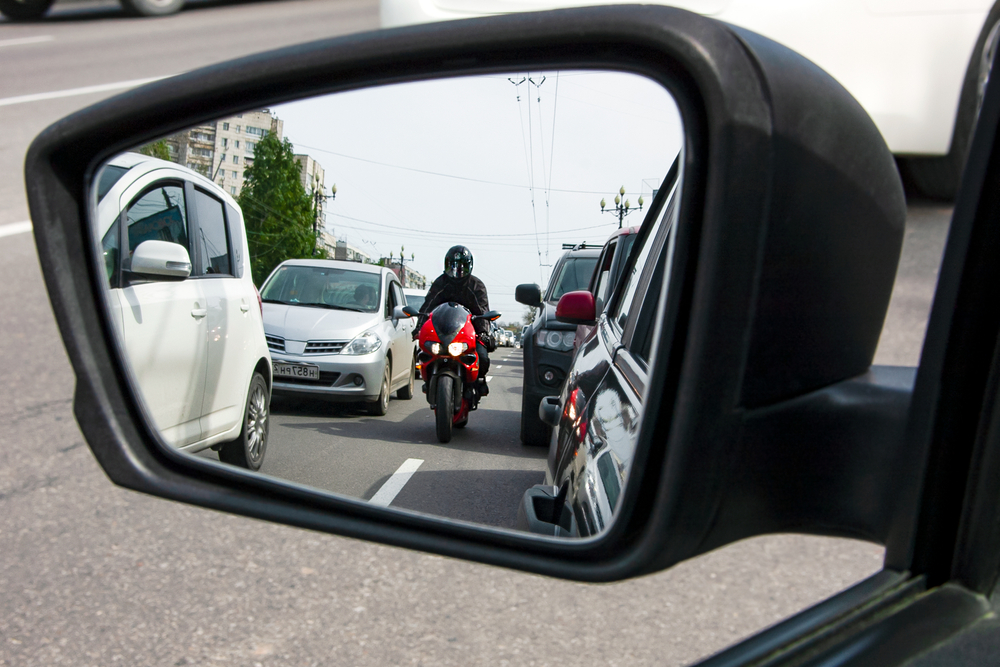
Lane splitting, the practice of motorcycles riding between lanes of slow or stopped traffic, can significantly impact liability in crashes. Whether a motorcyclist is found at fault often depends on local laws and the specific circumstances of the incident. Understanding how lane splitting affects liability is essential for motorcyclists and other drivers involved in accidents.
In places where lane splitting is legal, courts may view motorcyclists’ actions differently than in areas where it is prohibited. This can influence who is held responsible when a crash occurs. Insurance companies and legal systems analyze the behavior of all parties, including whether the motorcyclist was riding safely while lane splitting.
Understanding Lane Splitting and Legal Status
Definition of Lane Splitting
Lane splitting, also called lane filtering, occurs when a motorcycle rides between two lanes of vehicles traveling in the same direction. This typically happens during heavy traffic or slow speeds. The practice allows motorcycles to bypass congestion but requires extra caution.
It is distinct from lane sharing, where motorcycles share one lane with another vehicle. Lane splitting usually happens between two lanes, not within a single lane. The definition often includes specifications about speed differences and traffic conditions.
Legal Status in Different States
Most states prohibit lane splitting or have no clear laws, leaving it subject to local regulations or interpretation. Some states treat lane splitting as reckless driving, impacting liability when crashes occur. Riders and drivers in states without explicit lane splitting laws should understand the risks and potential legal consequences they face.
Lane Splitting’s Impact on Liability in Motorcycle Crashes
Lane splitting can complicate the process of assigning liability in motorcycle accidents. The determination often depends on the jurisdiction’s laws and the specific circumstances of the crash, including how the motorcyclist navigated between lanes.
Liability Determination in Motorcycle Accidents
Liability in motorcycle crashes involving lane splitting hinges on whether the motorcyclist acted reasonably and legally. If lane splitting is legal and performed safely, the rider may not be at fault even if a collision occurs. However, if the rider splits lanes recklessly or illegally, they could bear partial or full liability.
Other drivers may also share fault if they abruptly change lanes without signaling or fail to check blind spots. Insurance companies and courts examine evidence such as traffic laws, witness statements, and video footage to assess fault precisely.
Legal Scenarios: Fault and Negligence
Fault in lane splitting incidents is determined by negligence—whether the motorcyclist or another driver failed to exercise reasonable care. For example:
- If a driver suddenly swerves into a lane without checking for motorcycles, the driver is typically liable.
- If a motorcyclist speedily lane splits through heavy traffic, increasing crash risk, the rider’s negligence may be established.
Negligence can be comparative, where both parties share liability. Some states apply “pure comparative fault,” reducing compensation based on the motorcyclist’s responsibility in the accident. Understanding state-specific lane splitting laws is crucial in these legal evaluations.
Supporting Evidence and Legal Assistance
Evidence on lane splitting’s impact on accident rates is mixed but provides useful context. Legal representation is critical in navigating liability, especially when lane splitting is involved in a crash.
Statistical Overview of Accident Rates
Studies indicate lane splitting can reduce rear-end collisions since motorcycles move around slower traffic. However, data from the National Highway Traffic Safety Administration (NHTSA) shows an increase in side-impact crashes involving lane-splitting motorcycles.
A 2019 report showed that motorcyclists who lane split had a 17% higher chance of accidents with vehicles changing lanes. These findings highlight risks due to limited visibility and drivers’ unexpected maneuvers.
Role of Legal Representation
Smith & Weidinger PLLC emphasizes that legal expertise is essential when liability is disputed in lane splitting crashes. These cases often require analyzing traffic laws, witness testimonies, and vehicle dynamics.
Our experienced attorneys review evidence such as dashcam footage and accident reconstructions. They clarify whether the motorcyclist followed state rules permitting lane splitting or if the other driver failed to check blind spots.
Proper legal support ensures injured motorcyclists receive fair compensation and that fault is accurately attributed. This process reduces financial and legal risks for clients involved in complex lane splitting collisions.

Steps After a Lane Splitting Crash and Prevention
After a lane splitting crash, certain actions are necessary to protect legal rights and ensure safety. Preventing future accidents relies on adopting specific safety practices tailored to lane splitting conditions.
Actions to Take After an Accident
The rider should first move to a safe location if possible to avoid additional hazards. Checking for injuries is critical, and calling emergency services is necessary if anyone is hurt.
Gathering evidence at the scene, such as photos of the vehicles, road conditions, and any traffic signals, supports liability claims. Contacting the police to file an official report creates an authoritative record. Exchanging names, contact details, and insurance information with all involved parties is essential. Witnesses’ contact information should also be documented if available.
Seeking medical evaluation after the crash ensures all injuries are identified, even if they seem minor initially. Contacting a legal professional familiar with lane splitting laws can help clarify liability and next steps.
Safety Tips for Motorcyclists
Motorcyclists should maintain a moderate speed while lane splitting, keeping pace with surrounding traffic to reduce risk. Using turn signals and making deliberate lane changes improves visibility to other drivers.
Wearing high-visibility gear and a quality helmet increases rider safety. Staying alert for sudden vehicle movements and avoiding blind spots minimizes collision chances. Riders should familiarize themselves with local laws governing lane splitting to ensure compliance. Frequent practice in controlled environments can build skills needed for safe lane splitting.
Regular bike maintenance, especially brakes and tires, contributes to better control during lane-splitting maneuvers. Awareness of road surface conditions, such as wet or uneven pavement, helps avoid slipping or loss of control.
Note: The information provided in this blog post has been compiled from publicly available and secondary sources. While we strive for accuracy, some details may become outdated or contain inadvertent errors. If you believe any information is incorrect or requires updating, please contact Smith & Weidinger so that we may review and make the appropriate corrections.
Disclaimer: This blog post is for informational purposes only and is not intended as a solicitation for business. The photo used is not from the scene of the incident described. Viewing this content does not create an attorney-client relationship with Smith & Weidinger. If you have been injured in an accident, please seek immediate medical attention and then consult with a qualified attorney to discuss your legal rights and options.
Related Posts
What to Do If the At-Fault Driver Doesn’t...
When someone is involved in an accident caused by an uninsured driver, it can create...

Colorado Uninsured Motorist Coverage Laws
Car accidents are stressful, but discovering the other driver doesn’t have insurance can worsen a...

Premises Liability: Slips, Trips & Falls Explained
Slips, trips, and falls are some of the most common causes of injuries on both...